Utility-scale solar power in Finland: 6 reasons why its rise is needed now

Solar power is already one of the fastest-growing energy sources in the world, and in Finland its role will only increase. It is clean, domestic electricity production that strengthens energy self-sufficiency, reduces dependence on imported fossil fuels, accelerates electrification together with wind power, and brings jobs and income to Finland.
Finland needs more solar power for several reasons: to match electricity demand and supply, to balance different production methods, to strengthen self-sufficiency, and to drive the green transition. While Finland is not often seen as a solar powerhouse, we have excellent conditions to harness solar energy efficiently.
Here are six key reasons why Finland has enormous potential for solar power.
1. Accelerating the green transition
Finland has committed to ambitious climate goals. According to the government program and climate law, the aim is to be carbon neutral by 2035 and carbon negative soon after. This requires significant emission reductions across all sectors, especially in energy production.
Solar power plays a central role in this transformation. It is emission-free, renewable, and domestic. It does not consume natural resources or produce air pollution or CO₂ during operation. As fossil fuels like coal, peat, and natural gas are phased out, the role of solar power grows rapidly.
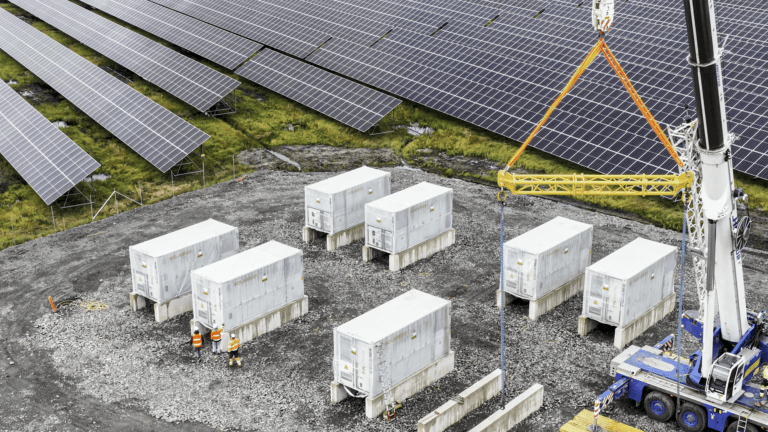
One concrete example is converting decommissioned peat production areas into solar parks. Peat is not considered renewable, and as its energy use is phased out, many sites are seeking a new purpose. Industrial-scale solar power is one of the most promising solutions, such as the 34 MWp solar park under construction at Honkisaarenneva in Kuortane.
2. Surging electricity demand
Finland’s energy market is changing fast, with demand for renewable energy rising steadily. Advancing technology, supportive policies, and corporate investments are boosting the spread of solar power. Grid development also makes integration easier.
According to Fingrid, Finland’s electricity consumption could double by the early 2030s. This is driven not just by population growth but especially by industrial electrification and new energy-intensive projects. The main demand drivers include:
- Industry moving away from fossil fuels (steel, chemical, process industries)
- Data centers requiring 24/7 electricity
- Hydrogen and e-fuel production
- Electric boilers and electrification of district heating

Meeting this demand requires large-scale, emission-free power production — and fast.
Solar power is a strong fit: it can be built quickly, scaled easily, and produces electricity during periods when consumption is high, especially from spring to autumn.
3. Balancing the energy system
A stable energy system requires matching electricity generation with consumption so the grid remains reliable.
Finland’s energy mix includes nuclear, hydro, wind, and solar. Wind and solar are variable by nature, but they complement each other well.
- Solar production peaks during summer and daytime, while wind is strongest in winter and at night.
- Solar helps reduce peak loads when consumption is high.
- Distributed solar generation reduces strain on the grid by producing power close to where it is used.
This balance means less reliance on fossil backup plants or electricity imports.
4. Strengthening energy self-sufficiency
More solar power increases Finland’s self-sufficiency and reduces dependence on imports and fossil fuels. Domestic production improves resilience against market volatility and crises.
Distributed solar also strengthens regional energy independence, as panels installed on industrial sites, farms, and rooftops produce electricity close to end users. This reduces transmission needs and enhances security of supply.
A diversified energy system is more resilient: if one source falters, others can fill the gap. In today’s uncertain geopolitical environment, energy independence is a key security factor.
5. Opportunities for the Finnish economy
Solar power has significant job-creating potential, particularly during construction. Building solar parks is labor-intensive and offers opportunities for Finnish contractors.
On a larger scale, clean and affordable energy attracts industrial investments to Finland, especially from energy-intensive sectors.
New practices are also emerging, such as agrisolar projects that combine solar power with farming. Solar parks can be built on land otherwise unsuitable for other use, such as old landfills, former peat areas, or fallow farmland. This provides landowners with steady rental income and municipalities with property tax revenue.
6. Favorable northern conditions
Finland receives nearly as much solar radiation annually as northern Germany, where solar is widely deployed. Long summer days allow for high production, and snow-reflection in early spring boosts efficiency.
Cool temperatures also improve panel performance, as panels operate more efficiently in cooler climates than in extreme heat.

One example is the 70 MWp solar park being built in Simo, one of the northernmost industrial-scale solar projects in Europe. Developed by Exilion Tuuli Ky and constructed by Solarigo Systems Oy, it demonstrates the potential even at high latitudes.
Other Finnish advantages include:
- Clean air, which reduces panel soiling and maintenance needs
- Lower transmission losses through distributed generation
- New storage technologies enabling year-round use of solar power
Conclusion: Why solar power in finland?
Finland has all the prerequisites to grow solar power as part of its energy mix. To unlock its full potential, more industrial-scale investments are needed, along with the courage to commit to renewable energy. Rising electricity demand and ambitious emission targets require rapid growth in solar power, which can be built at speed to meet these needs.