Sheep at the solar park welcome new neighbours – innovative biodiversity model being tested alongside energy production
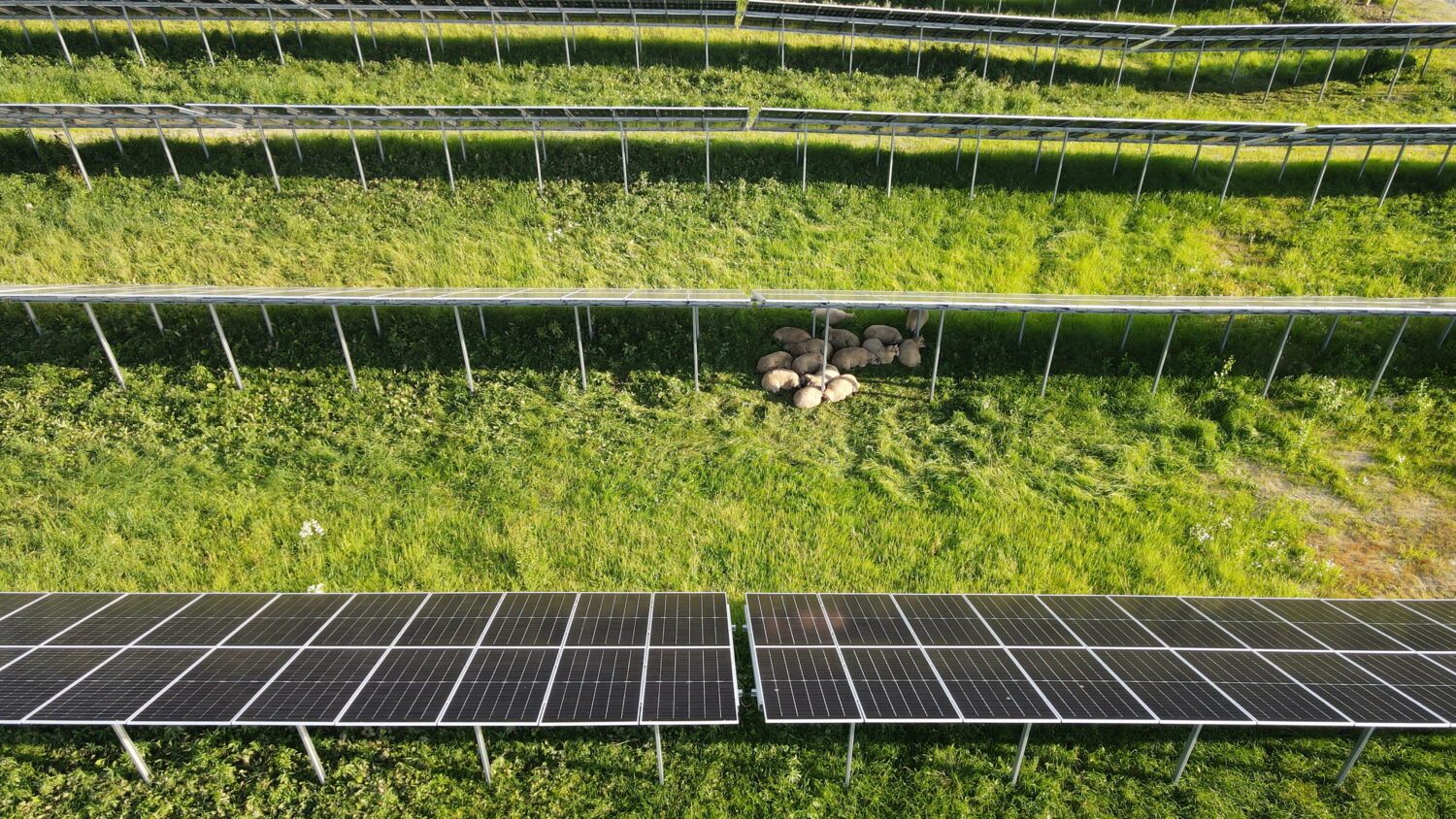
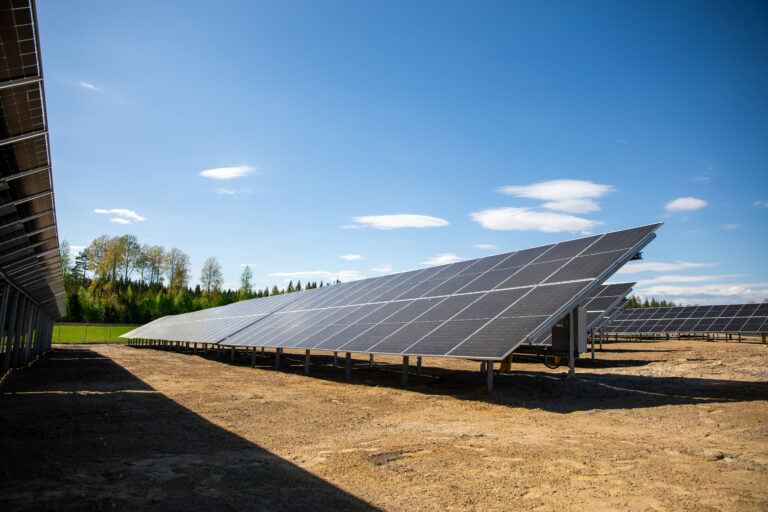
Finnish solar energy company Solarigo Systems Oy is introducing beehives to its 5 MWp solar park in Hirvensalmi as part of a broader initiative to enhance biodiversity on the site. The solar park entered commercial operation in summer 2024, and agrivoltaics has already been piloted there in cooperation with a local sheep farmer. The next step is to create a pollinator-friendly environment within the solar park.
This approach remains relatively rare in Finland. While the integration of solar energy production and biodiversity is receiving increasing attention, practical implementations are still limited.
Solarigo’s ambition is to develop solar parks into more than just energy production sites.
“We believe that the solar parks of the future will serve purposes beyond electricity generation. They can be designed as environments that also support biodiversity and local ecosystems,” says Ilja Timonen, Project Manager at Solarigo.
According to the company, the environmental impact of renewable energy projects will increasingly be assessed not only through the energy they produce, but also through the broader value they create for surrounding ecosystems.
Sheep grazing within solar parks offers a natural and sustainable way to manage vegetation, while bees contribute to pollination and increase the ecological value of the area.
With the Hirvensalmi project, Solarigo aims to demonstrate that energy production and environmental wellbeing can be viewed as complementary parts of the same system rather than opposing interests.
Biodiversity has become an increasingly important consideration in energy investments. Renewable energy projects are expected to deliver solutions that address environmental sustainability in a more holistic manner.
A specially selected grass mixture has been sown throughout the solar park to support both grazing sheep and pollinators. The seed mix includes white clover and alsike clover, both valuable nectar-producing plants for bees. Their low-growing flowering habit makes them particularly suitable as a food source for pollinators.
For Solarigo, introducing beehives to the solar park is also a learning process. The hives will be monitored regularly, with weekly inspections to ensure the wellbeing of the bees and to assess how beekeeping can be successfully integrated with solar power generation.
The project is being carried out in collaboration with a local beekeeper. Solarigo believes that involving local stakeholders is essential for developing new operating models based on practical experience and long-term cooperation.
Sheep grazing and beekeeping may also create synergies within the site. The fenced solar park provides a sheltered environment for bees, while site monitoring and maintenance can be coordinated between multiple local operators.
More information
Ilja Timonen
Project Manager, Solarigo Systems Oy
ilja.timonen@solarigo.fi
+358 50 308 4336